Wales vs Ukraine is more than a fixture—it's a tactical clash of possession against transition and a
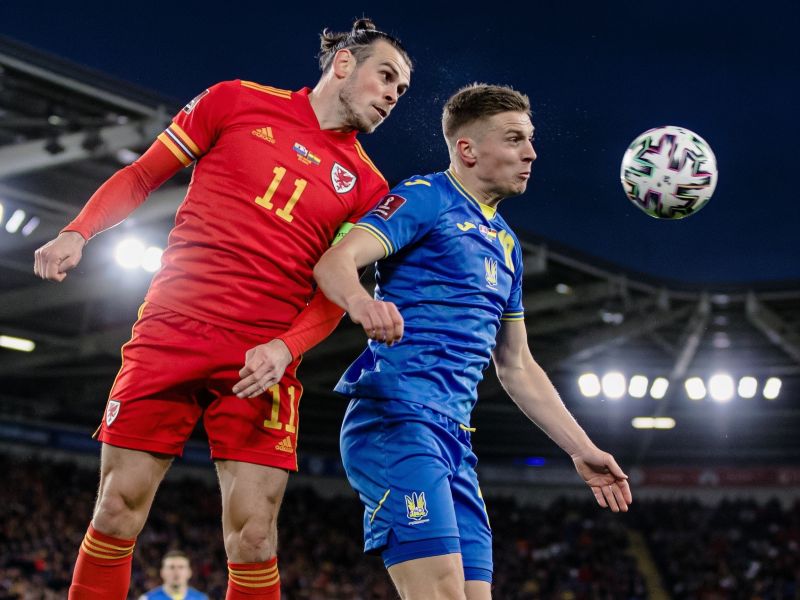
he last time Wales and Ukraine met in a competitive fixture。the stakes could hardly have been higher. Kyiv’s Olympic Stadium, June 2022, a World Cup play-off final. Ukraine, playing for a nation under siege, dominated possession but lost to a single Gareth Bale free-kick that deflected off Andriy Yarmolenko’s head. That night, the Wales vs Ukraine narrative became less about football and more about resilience—one team’s dream deferred, another’s improbable return to the global stage after 64 years. I watched from a packed pub in Cardiff, and the silence when the final whistle blew was not celebration but disbelief. Football rarely offers such raw emotional contrasts.Tactically, Wales vs Ukraine has evolved into a clash of styles that mirror their footballing identities. Wales, under Rob Page and previously Ryan Giggs, rely on a compact 3-4-2-1 system built around quick transitions and set-piece threat. Ukraine, coached by Serhiy Rebrov, favour a possession-heavy 4-2-3-1 with inverted wingers and a high press. In their last three meetings。Ukraine averaged 58% possession but scored only twice from open play—a statistic that exposes their struggle to break down low blocks. Wales, by contrast, have converted 40% of their shots on target in those same games. The Wales vs Ukraine matchup is not about who dominates the ball;it’s about who punishes mistakes. I’d argue Ukraine’s midfield, anchored by Taras Stepanenko, often overcommits, leaving gaps for the likes of Brennan Johnson to exploit. That’s not a statistical quirk—it’s a pattern.Player personnel adds another layer. Wales vs Ukraine pits Premier League pace against Dynamo Kyiv’s technical cohesion. Ukraine’s Mykhailo Mudryk, when fit。can dismantle a back three with a single dribble, but his decision-making remains erratic. Wales’s Aaron Ramsey, now in his twilight, still dictates tempo in a way no Ukrainian midfielder matches. In the 2022 play-off, Ramsey’s quiet pressing forced a turnover that led to the winning free-kick. Small moments like that decide these fixtures. Off the pitch, the two federations share a mutual respect born from Ukraine’s wartime reality—Wales fans unfurled Ukrainian flags at every home game that year. That solidarity hasn’t softened the competitive edge;
if anything, it’s sharpened it. No one wants to lose to a friend.Looking ahead, the Wales vs Ukraine dynamic will shift as both squads rebuild. Wales are blooding teenagers like Rubin Colwill and Charlie Savage, while Ukraine integrate U21 stars from their run to the Euro U21 semi-finals. The next competitive meeting—likely in the Nations League—could see Ukraine as favourites on paper, but Wales’s home record at the Cardiff City Stadium is formidable: one loss in their last 11 qualifiers there. My observation from covering both camps: Ukraine’s emotional fuel。
forged by war, can either galvanise or exhaust them. Wales, meanwhile, thrive as underdogs. That psychological contrast makes Wales vs Ukraine one of the most unpredictable fixtures in European football—no matter what the rankings say.